How to Clean Superficial Wounds Safely at Home
Share
A paper cut, kitchen nick, scraped knee, or small crack in dry foot skin can look minor, yet the first few minutes of care can make a real difference. Knowing how to clean superficial wounds helps lower the chance of infection, protects tender new tissue, and supports the comfort and mobility you need to stay active.
For many people, basic wound care is straightforward. But if you have diabetes, poor circulation, neuropathy, reduced sensation in your feet, or a history of slow-healing wounds, even a small injury deserves closer attention. A wound that does not hurt can still need care when numbness makes it easy to miss pressure, irritation, or worsening skin damage.
What counts as a superficial wound?
A superficial wound affects the outer layers of skin. Common examples include minor cuts, scrapes, abrasions, small skin tears, and shallow scratches. It may bleed a little, sting, or look red around the edges, but it does not expose deep tissue, fat, muscle, tendon, or bone.
The location matters as much as the size. A small wound on the foot, toe, lower leg, or area with reduced circulation can carry more risk than a similar scrape on the arm. Likewise, an animal bite, a puncture from a nail, or a cut caused by a dirty object may need medical guidance even when it looks small.
How to clean superficial wounds step by step
The goal is simple: remove visible dirt, control bleeding, protect the area, and avoid products that can further irritate healing skin.
Start with clean hands
Wash your hands thoroughly with soap and running water before touching the wound. If you have disposable gloves available, they can be useful, especially when helping someone else. Avoid touching the cleaned area with your fingers once you have finished rinsing it.
If the wound is bleeding, apply gentle, steady pressure with clean gauze or a clean cloth. Hold pressure for several minutes rather than lifting the cloth repeatedly to check. Minor bleeding often stops with consistent pressure.
Rinse with clean running water
Place the wound under clean, lukewarm running water. This is usually the most effective first step for removing dirt, loose debris, and bacteria from a superficial wound. Let the water flow gently over the area for several minutes.
Use mild soap to clean the surrounding skin, but try not to scrub soap directly into the open wound. If you can see a small piece of dirt that does not rinse away, clean tweezers with rubbing alcohol first, then gently remove it. If debris is embedded, difficult to remove, or deeply stuck, do not dig at it. Seek medical care instead.
Pat dry and protect the wound
Pat the surrounding skin dry with clean gauze or a fresh towel. Do not rub. A thin layer of plain petroleum jelly can help keep a minor wound from drying out and sticking to its dressing. Moist, protected wound conditions often support better healing than leaving a wound exposed to repeated friction and cracking.
Cover the wound with a sterile bandage or nonstick dressing. Choose a dressing large enough to cover the injury and its edges without pulling tightly on the skin. Change it at least daily, or sooner if it gets wet, dirty, or loose.
Check it every day
Each time you change the dressing, look at the wound in good light. It should gradually become less tender and less red. A small amount of clear or pale fluid can occur early in healing, but worsening drainage, spreading redness, or a new odor are not signs to ignore.
For a foot wound, inspect the surrounding skin as well. Check for pressure from shoes, socks, or bandage edges. Reducing friction is part of protecting the wound, especially if you walk often or have reduced sensation.
What not to put on a minor wound
Strong antiseptics can feel reassuring because they sting, but stinging does not mean they are helping. Repeated use of hydrogen peroxide, rubbing alcohol, or harsh iodine products can damage healthy cells and delay healing in a simple superficial wound.
Antibiotic ointment may be appropriate for some people, but it is not necessary for every minor cut and can cause a rash in those who are sensitive to its ingredients. Plain petroleum jelly and a clean dressing are often enough for uncomplicated skin injuries. If a clinician has given you specific wound-care instructions, follow those instructions over general advice.
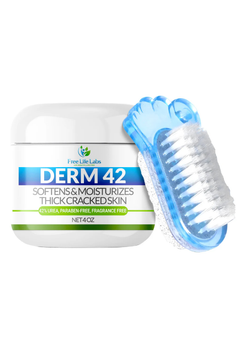
Avoid applying fragranced lotions, essential oils, foot creams, or high-strength exfoliating products directly to broken skin. Products designed for dry, cracked skin, including maximum-strength urea creams, belong on intact skin around the problem area, not inside an open wound unless your healthcare provider tells you otherwise.
When a superficial wound needs medical attention
A wound can start small and still require prompt care. Contact a healthcare professional promptly if bleeding does not stop after 10 to 15 minutes of firm pressure, the cut is deep or gaping, or you can see yellow fat, muscle, tendon, or bone.
You should also seek care for wounds caused by a bite, rusty or dirty object, or puncture injury. Ask about tetanus protection if you are unsure when you last had a tetanus shot. The right timing depends on the wound and your vaccination history.
Watch carefully for infection. Increasing pain, warmth, swelling, spreading redness, pus-like drainage, a bad smell, fever, or red streaks moving away from the wound all need medical attention. So does a wound that is not clearly improving after a few days.
Extra caution for diabetes, neuropathy, and foot wounds
If you have diabetes, neuropathy, circulation concerns, or a weakened immune system, call your clinician or podiatrist early for any new foot wound, blister, crack that has opened, or skin injury that does not improve quickly. Numbness can hide pain, while reduced blood flow can slow the body’s ability to repair damaged tissue.
Do not assume that a wound is harmless because it is painless. Check your feet daily, including between the toes and the soles. A mirror can help with hard-to-see areas, or ask a family member or caregiver for help. Wear clean socks and well-fitting shoes, and keep pressure off an injured area until a healthcare professional advises otherwise.
Support healing beyond the bandage
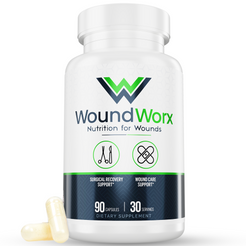
Cleaning the wound is only one part of recovery. Healing properly requires adequate nutrition, hydration, rest, and protection from repeated injury. Protein helps provide building blocks for tissue repair, while vitamins and minerals support normal healing processes. If your appetite has been low after surgery or illness, or if wounds have been slow to heal, discuss nutritional support with your healthcare provider.
Smoking can reduce blood flow and make healing harder. High blood sugar can do the same, which is why people with diabetes benefit from following their care plan closely while a wound heals. Small daily choices can help keep a minor skin injury from becoming a larger interruption to your independence.
A superficial wound does not need complicated care. Clean water, gentle protection, and consistent observation go a long way. When something looks different, feels worse, or simply does not seem to be healing as it should, trust that signal and get it checked. Early care can help you protect your skin, your comfort, and your freedom to keep moving.