Hair Loss From GLP-1 and Healthy Hair Growth
Share
A fuller hairbrush, extra strands in the shower drain, or a widening part can feel especially discouraging when weight loss is helping you feel better in other ways. Hair loss from GLP-1 medications is a real concern for some people, but the medication itself is not always the direct cause. More often, hair shedding is the body's response to rapid weight loss, too little food, low protein intake, or nutrient shortfalls during a major physical change.
The encouraging news is that this kind of shedding is often temporary. Supporting your body with enough nutrition, a realistic pace of weight loss, and timely medical guidance can help protect healthy hair growth while you continue working toward your health goals.
Why hair loss from GLP-1 can happen
GLP-1 medications can reduce appetite very effectively. For many people, that is a key benefit. But when appetite drops sharply, it can also become difficult to eat enough calories, protein, and essential nutrients day after day.
Hair is not essential to immediate survival. When the body senses stress, illness, rapid weight change, surgery, or inadequate nutrition, it may shift resources toward more urgent jobs. More hair follicles can move from the active growing phase into a resting phase. A few months later, those hairs shed. This pattern is commonly called telogen effluvium.
This timing matters. Hair shedding may begin two to four months after a period of rapid weight loss or very limited eating, not necessarily during the first week of a new medication. That delay can make it hard to identify the cause without looking at the bigger picture.
GLP-1 treatment is only one possible factor. Hair shedding can also be connected to thyroid changes, iron deficiency, low vitamin D, hormonal shifts, a recent infection, major stress, childbirth, new medications, or certain scalp conditions. That is why a clinician should evaluate persistent or significant hair loss instead of assuming it is simply part of weight loss.
The nutrition connection: hair needs more than fewer calories
Weight loss should not require your body to run on empty. Healthy hair growth depends on a consistent supply of protein, calories, vitamins, and minerals. A very small appetite can make it easy to miss that support, especially if nausea, food aversions, constipation, or fatigue make meals less appealing.
Protein is particularly important because hair is largely made of keratin, a protein. Many adults taking a GLP-1 find that they fill up quickly and unintentionally build meals around only a few bites of fruit, toast, or soup. Those foods can be useful, but they may not provide enough protein on their own.
A practical approach is to eat protein first at meals and snacks. Eggs, Greek yogurt, cottage cheese, fish, chicken, turkey, tofu, beans, lentils, and a protein shake can be easier ways to meet your needs when large meals are uncomfortable. Your personal protein target depends on your body size, age, activity level, kidney health, and medical history, so ask your prescriber or a registered dietitian for guidance that fits you.
Key nutrients also play a role in normal hair growth. Low iron stores, zinc, vitamin D, vitamin B12, folate, and inadequate overall calories can contribute to thinning or shedding. More supplements are not automatically better. Taking high-dose iron or zinc without testing can cause side effects and create new imbalances. Lab work can help your clinician identify what your body actually needs.
What to do when shedding starts
First, take a clear look at your recent pattern. Have you lost weight very quickly? Are you routinely skipping meals because you are not hungry? Have nausea or vomiting made it hard to keep food down? Are you getting enough fluids? These details give your healthcare provider useful clues.
Contact the clinician who prescribes your GLP-1 medication if shedding is noticeable, worsening, or affecting your confidence. They may review your rate of weight loss, medication dose, calorie and protein intake, other medications, and health history. Depending on your situation, they may recommend lab tests for iron status, thyroid function, vitamin levels, or other possible causes.
Do not stop a prescribed medication on your own because of hair shedding. For some people, slowing dose increases, adjusting the treatment plan, or improving nutritional support can make a meaningful difference. The right choice depends on your weight-loss progress, side effects, blood sugar needs, and overall health.
It can also help to simplify your routine for a few months. Choose gentle shampooing, avoid tight hairstyles, limit frequent bleaching or high-heat styling, and be cautious with aggressive brushing. These steps will not change the underlying cause of telogen effluvium, but they can reduce breakage and make thin areas less noticeable while new growth has time to return.
Building a GLP-1 routine that supports your hair
Small, consistent meals are often more realistic than trying to force three large plates of food. Keep easy options available for days when your appetite is low. A yogurt with berries, scrambled eggs, a small turkey wrap, cottage cheese with fruit, or a protein smoothie may go down more comfortably than a heavy meal.
Hydration matters, too. Dehydration can worsen fatigue, constipation, and the general difficulty of eating well. Sip fluids throughout the day, particularly if your medication causes nausea. If vomiting or diarrhea is frequent, contact your healthcare provider promptly rather than trying to push through it.
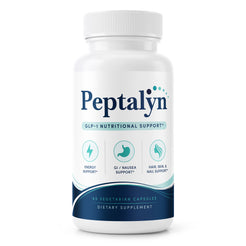
A complete formula designed for people taking GLP-1 medications may help fill common nutritional gaps, but it should support food, not replace it. Free Life Labs Peptalyn is formulated to provide nutritional support for people using GLP-1 weight-loss medications, including those managing reduced appetite and low energy. If you use any supplement, review it with your clinician or pharmacist, especially if you take prescription medications or have kidney, liver, thyroid, or blood-sugar concerns.
Weight-loss speed deserves attention as well. Faster is not always better if it leaves you weak, undernourished, or unable to maintain your progress. A sustainable plan protects muscle, energy, mobility, and everyday confidence - not just the number on the scale.
When hair loss needs faster medical attention
Diffuse shedding across the scalp is common with telogen effluvium, but certain patterns may point to another issue. Seek medical advice promptly if you have smooth round bald patches, scalp pain, redness, scaling, itching, sores, eyebrow loss, sudden dramatic thinning, or hair loss accompanied by severe fatigue, dizziness, weakness, or unexplained symptoms.
Also reach out quickly if nausea, vomiting, or food avoidance prevents you from meeting basic nutrition and hydration needs. Healing properly requires adequate nutrition, and that includes recovery in tissues you can see, like hair and skin, as well as the strength and muscle you rely on every day.
How long does GLP-1-related hair shedding last?
If rapid weight loss or nutritional stress is the main trigger, shedding often improves after the trigger is corrected and your weight stabilizes. That process is gradual. Hair grows slowly, so visible regrowth may take several months. Some people notice short new hairs around the hairline or part before overall fullness returns.
Patience is difficult when you see hair coming out daily, but steady nourishment is more useful than chasing quick fixes. Expensive oils, shampoos, and trendy gummies cannot make up for insufficient protein, very low calorie intake, or an untreated iron or thyroid problem.
Your weight-loss plan should make room for the life you want to live: enough energy to move comfortably, enough nourishment to recover well, and enough support to feel like yourself along the way. If hair shedding has become part of the picture, bring it up early. A thoughtful adjustment now can help you continue your progress without sacrificing the comfort and confidence you are working to regain.