GLP-1 Support: Protect Muscle, Energy, and Bone
Share
A smaller appetite can feel like a major win when you begin a GLP-1 medication. But when meals become tiny, skipped, or difficult to finish, your body may also receive less protein, fewer vitamins and minerals, and less overall fuel than it needs. That is why GLP-1 support should be about more than the number on the scale. It should help you protect the strength, energy, mobility, and confidence that make everyday life feel free.
GLP-1 medications have helped many people make meaningful progress with weight management and blood sugar control. They can also bring practical challenges, including nausea, constipation, low energy, and difficulty eating enough. A thoughtful nutrition routine can make treatment more comfortable while supporting healthy weight loss rather than leaving you depleted.
What GLP-1 Medications Do
GLP-1 medications work in part by slowing the movement of food through the stomach and helping you feel full sooner. They can also affect appetite signals and help the body manage blood sugar. For many adults, that reduced hunger is exactly what makes these medications effective.
The trade-off is simple: when your appetite is lower, it becomes easier to under-eat the nutrients your body still needs. Weight loss is not always body fat alone. Without adequate protein, calories, resistance activity, and key nutrients, some people may lose lean muscle mass as well. That can affect strength, balance, stamina, and the ability to stay active.
This does not mean GLP-1 treatment is wrong for you. It means the plan needs to include recovery-minded nutrition. Your medication prescriber, primary care provider, or registered dietitian can help tailor that plan to your health history, lab results, medications, and weight-loss goals.
Why Nutrition Matters on GLP-1 Treatment
Food is not just fuel for getting through the day. Protein helps maintain muscle and supports tissue repair. Calcium and vitamin D help support bones. B vitamins, iron, and other nutrients contribute to energy production and normal body function. Fiber and fluids help support regularity, which can be especially useful when constipation becomes an issue.
When appetite is low, a plate of food can look overwhelming. The answer is rarely forcing yourself to eat a large meal. Smaller, nutrient-dense choices are often more realistic. A few bites with a clear purpose can be more helpful than a large, low-protein meal that feels impossible to finish.
People with diabetes, neuropathy symptoms, circulation concerns, slow-healing skin, or a recent surgery have another reason to pay attention. Healing properly requires adequate nutrition. If your body is trying to recover from a wound, protect fragile skin, or rebuild after a procedure, consistently falling short on protein and essential nutrients may work against those goals.
Muscle Loss Is a Mobility Concern, Not Just a Fitness Concern
Muscle helps you stand from a chair, climb stairs, carry groceries, and move with steadiness. For middle-aged and older adults, protecting muscle can be a practical part of protecting independence.
Fast weight loss, low protein intake, and inactivity can all increase the risk of losing lean mass. The right approach depends on the individual, especially if you have kidney disease, heart disease, diabetes, or other conditions that affect your nutrition needs. Still, the general goal is clear: make the food you are able to eat count.
If your clinician says it is appropriate, gentle strength-building movement can also help. This might mean resistance bands, body-weight exercises, supervised physical therapy, or short walks that fit your current mobility. Consistency matters more than intensity, particularly when energy is lower during dose changes.
Bone Health Deserves Attention Too
Bone health is easy to overlook because bone loss does not usually cause immediate symptoms. Yet adequate nutrition and weight-bearing activity play a role in maintaining bone strength over time. Adults who lose weight quickly, eat very little, or have a history of osteopenia or osteoporosis should discuss bone-health monitoring with their healthcare provider.
Your provider may recommend lab work, dietary changes, supplements, or a bone-density scan based on your individual risk. Do not assume a standard multivitamin covers every need, especially when food intake has changed significantly.
Practical Ways to Eat When Your Appetite Is Low
The best GLP-1 nutrition routine is one you can repeat even on a day when food sounds unappealing. Many people do better by starting with protein and building the rest of the meal around it. Rather than saving protein for dinner, include it in the first food you can tolerate.
Try to make small meals and snacks work harder for you. Eggs, Greek yogurt, cottage cheese, fish, chicken, tofu, beans, protein shakes, and other options may be easier to manage than a large, heavy meal. The best choice depends on your preferences, digestion, dietary restrictions, and medical guidance.
A few practical habits can make a noticeable difference:
- Eat slowly and stop before you feel overly full. Large portions and rushed meals can worsen nausea or discomfort.
- Keep simple protein options available for low-appetite days, such as yogurt, ready-to-drink shakes, eggs, or a small serving of cottage cheese.
- Sip fluids steadily throughout the day rather than trying to catch up all at once. Dehydration can contribute to fatigue, dizziness, and constipation.
- Include fiber gradually through foods you tolerate well, such as fruit, vegetables, beans, oats, or whole grains. Adding too much fiber too quickly can cause bloating for some people.
- Limit foods that commonly worsen symptoms for you, including greasy meals, very large portions, or heavily fried foods.
When a Supplement Can Help Fill the Gaps
A supplement should support a healthy eating plan, not replace it. But when appetite changes make consistent nutrition difficult, a purpose-built formula may be useful. This is especially true for adults who are losing weight, feeling low energy, or struggling to meet daily nutrition needs through food alone.
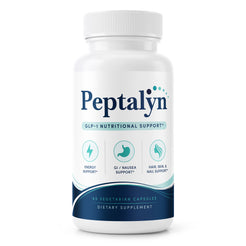
Free Life Labs created Peptalyn as nutritional support for people taking GLP-1 medications for weight loss. The goal is straightforward: help support the nutritional foundation behind energy, muscle maintenance, bone health, and healthy recovery when reduced appetite makes that foundation harder to maintain.
Before adding any supplement, review it with your healthcare provider or pharmacist. This step matters if you take prescription medications, manage diabetes, have kidney or liver concerns, are pregnant or breastfeeding, or have been told to limit certain nutrients.
Symptoms You Should Not Push Through
Some adjustment symptoms can occur when starting or increasing a GLP-1 medication, but severe or persistent symptoms deserve medical guidance. Contact your prescriber promptly if you have ongoing vomiting, cannot keep fluids down, experience severe abdominal pain, feel faint, have signs of dehydration, or notice symptoms of low blood sugar.
For people with diabetes or reduced sensation in the feet, daily foot awareness also matters. Check for new blisters, cracks, redness, drainage, or wounds, particularly if mobility has changed or shoes are fitting differently after weight loss. A small problem can become more serious when sensation or circulation is reduced.
Weight loss should help you feel more capable in your life, not less nourished, weaker, or sidelined by side effects. Give your body the same support you give your goals: regular nourishment, adequate fluids, movement you can sustain, and timely conversations with the clinicians guiding your care.