GLP-1 Protein Versus Electrolytes for Weight Loss
Share
A smaller appetite can feel like progress when you begin a GLP-1 medication. But when meals become too small, skipped, or difficult to finish, your body may miss more than calories. The question of GLP-1 protein versus electrolytes comes up often because both can support people through weight loss, low energy, nausea, and reduced food intake. They are not competing priorities. They do very different jobs.
Protein helps preserve the muscle, strength, and daily function that can be lost along with body weight. Electrolytes help your body manage fluid balance, nerve signaling, and muscle function, especially when nausea, vomiting, diarrhea, sweating, or low fluid intake enter the picture. Knowing the difference can help you make practical choices that support a healthier, more comfortable weight-loss experience.
GLP-1 Protein Versus Electrolytes: Different Jobs
GLP-1 medications can reduce hunger, help you feel full sooner, and slow stomach emptying. For many people, those effects are useful. They can also make it harder to eat enough of the foods that provide protein, vitamins, minerals, and fluids.
Protein is a macronutrient. Your body uses it to maintain and repair muscle tissue, support immune health, make enzymes and hormones, and assist with healing. During weight loss, protein becomes especially valuable because the scale does not distinguish between fat loss and muscle loss. Losing too much lean muscle can affect strength, balance, mobility, metabolism, and independence over time.
Electrolytes are minerals that carry an electrical charge. Sodium, potassium, magnesium, calcium, chloride, and phosphate are among the most familiar. They help regulate fluid levels and support normal nerve, heart, and muscle function. If you are dehydrated or losing fluids, electrolyte intake may matter more than usual.
A protein shake will not necessarily correct dehydration or replace significant sodium and potassium losses. An electrolyte drink will not provide the amino acids your muscles need. The better question is not which one wins. It is which need is most urgent today, and whether your overall routine is covering both.
When Protein Should Be a Priority
If you are eating less because of early fullness or nausea, protein is often the nutrient that requires the most planning. Many common convenience foods are low in protein, and a few bites of toast, crackers, fruit, or soup may settle your stomach without giving your body enough building material.
Protein can be particularly helpful if you notice declining strength, more fatigue with everyday activity, trouble meeting food needs after exercise, or unintentional muscle loss. Adults over 50, people recovering from surgery or wounds, and those with limited mobility may have even more reason to protect lean mass. Healing properly requires adequate nutrition, and protein is a central part of that foundation.
Your personal protein needs depend on body size, age, activity level, kidney function, medical history, and how much weight you are losing. Your prescribing clinician or a registered dietitian can help set an appropriate target. This is especially important for anyone with kidney disease, liver disease, a history of malnutrition, or a medically restricted diet.
Rather than trying to eat one large, heavy meal, many people do better by spreading protein across the day. A few ounces of chicken, fish, eggs, Greek yogurt, cottage cheese, tofu, beans, or a ready-to-tolerate protein drink can be easier to manage than forcing a large plate of food. Choose the option that you can consistently tolerate.
Making Protein Easier During Nausea
Temperature, texture, and portion size can make a real difference. Cold foods may be easier than hot foods when nausea is present. Smooth, mild options such as yogurt, a simple shake, or blended cottage cheese may go down more easily than greasy or strongly seasoned foods.
Eat slowly, stop before you feel overly full, and keep portions modest. If a protein drink feels too rich, try sipping half at a time or diluting it according to the product directions. Persistent vomiting, inability to keep fluids down, or severe abdominal symptoms are reasons to contact your prescriber promptly rather than trying to manage everything with supplements.
When Electrolytes May Matter More
Electrolytes deserve attention when fluid loss or low fluid intake is the immediate concern. GLP-1 medication users may drink less simply because they feel full, forget to sip fluids, or find that nausea makes drinking uncomfortable. Diarrhea and vomiting can increase the risk of dehydration and electrolyte imbalance.
Possible signs of dehydration can include thirst, dry mouth, dark yellow urine, urinating less often, headache, dizziness when standing, and unusual fatigue. Muscle cramping may occur for many reasons, so it is not a reliable sign of an electrolyte problem by itself. Still, if cramping appears alongside poor intake, heavy sweating, or gastrointestinal symptoms, it is worth addressing your hydration plan.
Water is often enough for ordinary day-to-day hydration. An electrolyte beverage, powder, or oral rehydration solution may be more useful after substantial sweating, repeated loose stools, vomiting, or a day when you have struggled to drink and eat. Look at the label rather than assuming every flavored water provides meaningful electrolyte support. Some products contain very little sodium, while others contain more sugar or sodium than you may want for routine use.
People with heart failure, kidney disease, high blood pressure, or those taking diuretics, blood pressure medicines, or medications that affect potassium should ask a clinician before routinely using electrolyte products. More is not automatically better. Excess sodium or potassium can be a problem in the wrong circumstances.
A Practical Way to Cover Both Needs
For many people taking a GLP-1 medication, the most helpful plan is simple: build a reliable protein habit, drink fluids steadily through the day, and use electrolytes purposefully when fluid losses or poor intake call for them.
Start with a protein-containing food or drink at the times you are most likely to tolerate it. For some people, that is breakfast. For others, it may be a midafternoon snack before appetite drops. Keep water nearby and take frequent small sips instead of waiting until you are very thirsty. If nausea is a problem, cold water, ice chips, diluted beverages, or a straw may be easier.
It can also help to track patterns for a week. Notice whether you are skipping meals, struggling with fluids, feeling weak during activity, or having side effects after dose changes. That information gives your healthcare team something specific to work with. It also prevents you from guessing whether low energy is due to inadequate food, dehydration, poor sleep, medication effects, or another health concern.
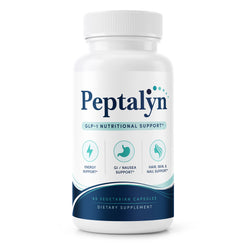
A complete nutritional supplement can be useful when regular meals are not meeting your needs, but it should support your routine rather than replace clinical guidance. Free Life Labs created Peptalyn to provide targeted nutritional support for adults using GLP-1 medications who want help protecting their daily nutrition during weight loss.
Red Flags That Need Medical Advice
Some symptoms go beyond an ordinary adjustment period. Contact your prescriber or seek timely medical care for persistent vomiting or diarrhea, inability to keep fluids down, fainting, confusion, severe weakness, chest pain, severe or ongoing abdominal pain, or signs of an allergic reaction. Dark urine and dizziness that do not improve with fluids also deserve attention.
If your weight is dropping quickly and you are losing strength, struggling to walk comfortably, or unable to eat enough protein for several days, bring that up with your clinician. The goal is not simply to lose weight. It is to support a body that feels capable, nourished, and ready for daily life.
A few intentional sips, a tolerable protein choice, and early attention to side effects can help you stay steadier through the process and protect the freedom you are working toward.