GLP-1 Nutrition Trends 2026 That Matter
Share
For people taking a GLP-1 medication, the most useful GLP-1 nutrition trends 2026 are not about eating less at all costs. They are about eating enough of the right foods to protect strength, energy, digestion, and long-term health while appetite is lower. Weight loss may be the goal, but feeling weak, nauseated, dehydrated, or unable to enjoy daily life should not be the price.
GLP-1 medications can be highly effective tools for weight management and blood sugar control. They also change the practical reality of eating. A smaller appetite, early fullness, nausea, constipation, and food aversions can make it surprisingly difficult to meet basic nutrition needs. That is why the nutrition conversation is shifting from restriction to recovery-minded support.
GLP-1 Nutrition Trends 2026 Put Muscle First
The biggest shift is clear: successful weight loss is no longer being measured only by the number on the scale. Patients and providers are paying closer attention to body composition, especially the preservation of lean muscle.
When calorie intake falls quickly, the body can lose both fat and lean tissue. Muscle matters because it supports mobility, balance, metabolism, and independence. For adults over 50, and for anyone already managing reduced mobility, neuropathy symptoms, diabetes, or recovery from surgery, protecting muscle can be especially important.
Protein is central to that effort. Instead of waiting until dinner to eat a large serving of protein, many people do better spreading protein-containing foods across the day. Eggs, Greek yogurt, cottage cheese, fish, chicken, tofu, beans, and protein shakes can be practical options. The best choice depends on tolerance, food preferences, kidney health, and guidance from a clinician.
A protein shake may be easier to manage on a day when solid food feels unappealing. On another day, a small plate of eggs and fruit may sit better. The goal is not perfection. It is consistent nourishment that helps preserve the strength to walk comfortably, get up from a chair, carry groceries, and stay active.
Resistance training is becoming part of the same conversation. Even modest strength work, when medically appropriate, can support muscle retention alongside adequate protein. A clinician, physical therapist, or qualified fitness professional can help people with joint pain, neuropathy, balance concerns, or recent surgery choose a safe starting point.
Smaller Meals, Better Nutrition Density
GLP-1 medications slow stomach emptying, which can contribute to early fullness. Large meals, greasy foods, and eating too fast may be harder to tolerate. The 2026 approach is less about forcing a traditional three-meal pattern and more about building small, nutrient-dense eating opportunities throughout the day.
Think of each meal or snack as a chance to add nutrition before fullness arrives. A simple combination of protein, produce, and a source of healthy fat or fiber can provide more staying power than crackers or sweets alone. For example, yogurt with berries, tuna with whole-grain crackers, or a small bowl of lentil soup may offer more useful nutrition than a meal that is large but low in protein.
This does not mean every bite must be optimized. It means that when appetite is limited, food quality carries more weight. Highly processed snack foods can be easy to eat but may crowd out protein, vitamins, minerals, and fiber. They can also leave energy levels uneven.
For people experiencing nausea, bland and simple may be the right short-term choice. Cold foods sometimes have less odor and may be easier to tolerate. Dry toast, fruit, soup, yogurt, or a smoothie can help bridge difficult days. Persistent vomiting, severe abdominal pain, or an inability to keep liquids down is not something to push through - contact the prescribing clinician promptly.
Hydration Is Becoming a Daily Strategy
Low thirst, smaller meals, nausea, and diarrhea or constipation can all make dehydration more likely while taking a GLP-1 medication. Dehydration can contribute to fatigue, headaches, dizziness, constipation, and feeling generally unwell. It can also make it harder to maintain an active routine.
The trend is toward steady sipping rather than trying to catch up late in the day. Keep a water bottle nearby, take fluids between meals if drinking with meals causes discomfort, and choose options that are easy to tolerate. Water is often enough, while an electrolyte beverage may be useful in certain situations, such as significant fluid loss or heavy sweating. People with heart, kidney, or blood pressure conditions should ask their clinician before routinely using electrolyte products, especially those high in sodium or potassium.
A practical check is the color of urine. Pale yellow often suggests reasonable hydration, while consistently dark urine can be a sign to increase fluids. It is not a perfect measure, but it is a simple daily signal.
Fiber Is Still Essential, but the Pace Matters
Constipation is one of the most common concerns reported with GLP-1 medications. Fiber can help support regularity, blood sugar balance, and fullness, but adding a large amount too quickly can worsen bloating or discomfort.
In 2026, the smarter approach is gradual. Add fiber-rich foods in small, tolerable amounts and increase fluids at the same time. Berries, oats, beans, lentils, vegetables, chia seeds, and whole grains can all contribute. If appetite is low, a small serving consistently may be more realistic than a dramatic dietary overhaul.
Some people need additional support from a fiber supplement or an over-the-counter constipation option. That decision should be individualized, particularly for anyone with a history of bowel problems, severe constipation, or multiple medications. Do not ignore constipation that is worsening, painful, or paired with vomiting or abdominal swelling.
Nutrition Support Is Becoming More Personalized
There is no single GLP-1 meal plan that works for everyone. Someone using medication for diabetes may need a different strategy than someone using it for weight management alone. A person recovering from surgery, managing a chronic wound, or living with neuropathy may have higher nutrition needs than a younger, active adult with no other health concerns.
This is where personalized support matters. Healing properly requires adequate nutrition, including protein, calories, fluids, vitamins, and minerals. When appetite is reduced, gaps can happen quietly. Hair shedding, fatigue, weakness, dry skin, poor exercise recovery, and slow healing are reasons to review food intake and discuss concerns with a healthcare professional.
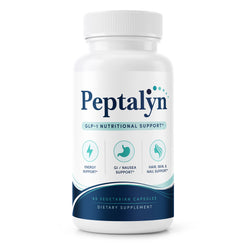
More people are also using targeted nutritional supplements to help fill common gaps created by reduced intake. A complete formula designed for GLP-1 users, such as Peptalyn from Free Life Labs, may be a practical option for people who struggle to consistently meet nutritional needs through food alone. Supplements should support a balanced eating pattern, not replace it, and they should fit the person's medications and medical history.
The Trend to Watch: Sustainable Results Over Fast Results
Rapid weight loss can feel encouraging, but the best plan is one that leaves a person feeling capable in everyday life. That means enough energy to work, travel, care for family, exercise, and stay on their feet with confidence. It also means having a plan for travel days, restaurant meals, appetite changes, and the weeks when side effects are more noticeable.
A helpful routine may be as simple as keeping protein foods available, drinking fluids regularly, including a few tolerated high-fiber foods, and checking in with your prescriber when symptoms interfere with eating. Lab monitoring may also be appropriate, depending on your health history and the length of treatment.
The strongest nutrition trend for 2026 is not a new food rule. It is treating nutrition as part of the treatment itself. Give your body the building blocks it needs, listen when side effects are getting in the way, and aim for progress that helps you feel lighter without feeling less like yourself.