GLP-1 Nutrition: Protect Strength While Losing
Share
A smaller appetite can feel like a win when you begin a GLP-1 medication. But if eating becomes so difficult that you skip protein, fluids, and key nutrients, weight loss can come with an unwanted cost: low energy, muscle loss, constipation, weakness, and a harder time staying active. Smart GLP-1 nutrition is not about forcing large meals. It is about making the food you can tolerate count.
GLP-1 medications can be effective tools for weight management, especially when prescribed and monitored by a qualified clinician. They also change the everyday mechanics of eating. Fullness may arrive after a few bites. Rich foods may suddenly feel unappealing. Nausea, reflux, or constipation can turn a normal meal into something you avoid.
The goal is to support healthy weight loss while protecting the strength, mobility, and nutrition your body needs to feel good in daily life.
Why GLP-1 nutrition needs a different approach
GLP-1 medications slow stomach emptying and reduce appetite. For many people, that is part of how they help. The trade-off is that a person can eat much less without realizing how much nutrition has been left out.
The scale does not distinguish between fat loss and loss of lean tissue. When calorie intake drops too sharply, the body may use muscle tissue along with fat for energy. This matters at any age, but it is especially important for adults over 50, people recovering from illness or surgery, and anyone whose comfort and independence depend on staying steady and mobile.
Adequate nutrition also supports normal immune function, bone health, regular digestion, and recovery. Healing properly requires adequate nutrition. If you are dealing with a wound, preparing for surgery, or recovering from a procedure, tell your prescribing clinician that your appetite has changed. Your nutrition needs may be higher than you expect.
Start with protein at every eating opportunity
Protein is often the first priority in a GLP-1 eating plan because it helps preserve lean muscle during weight loss. It also tends to be more filling, so it makes sense to eat it first when your appetite is limited.
Instead of aiming for three large meals, think in smaller opportunities across the day: breakfast, lunch, dinner, and one or two planned snacks if needed. A few bites of Greek yogurt, cottage cheese, eggs, tuna, chicken, tofu, beans, or a protein shake can be more useful than trying to finish a meal that feels too big.
Your ideal protein target depends on your body size, kidney health, activity level, age, and medical history. A clinician or registered dietitian can help set a number that fits you. For many people, spreading protein throughout the day is easier on the stomach and more supportive of muscle than eating most of it at dinner.
If solid foods are difficult, softer choices can help. Scrambled eggs, yogurt, soups with added chicken or beans, blended smoothies, and ready-to-drink protein beverages are often easier to manage. Check labels for protein content and added sugar, and choose options you can tolerate consistently.
Keep resistance exercise in the picture
Food supplies the building blocks, but muscles also need a reason to stay. Resistance training tells the body that lean tissue is useful. That may mean dumbbells, resistance bands, body-weight movements, or guided strength work with a physical therapist.
You do not need an intense gym routine to benefit. A safe program that challenges your major muscle groups two or three times a week can make a meaningful difference. If you have balance concerns, neuropathy symptoms, joint pain, or a healing wound, get individualized guidance before starting.
Make fluids a non-negotiable habit
Dehydration is easy to miss when hunger and thirst cues change. It can contribute to fatigue, dizziness, headaches, constipation, and feeling generally unwell. Some people also drink less because they feel too full for a full glass of water.
Small, regular sips are often more comfortable than drinking a large amount at once. Keep a bottle nearby, drink between meals rather than with them if fullness is a problem, and use a schedule if you tend to forget. Water is a strong foundation, but broths, milk, electrolyte beverages, and caffeine-free tea may also help depending on your needs.
Be thoughtful with electrolyte products. Some are high in sugar or sodium, and they are not necessary for everyone. People with heart, kidney, or blood pressure conditions should ask their clinician what fluid and sodium intake is appropriate.
Build small meals around nutrient density
When you can only eat a small portion, every bite has a job to do. Start with protein, then add fiber-rich carbohydrates, produce, and healthy fats in portions that feel manageable.
A practical plate may look less like a traditional full dinner and more like a small bowl of chili, a turkey-and-avocado half sandwich, or yogurt topped with berries and nuts. A smoothie with protein, fruit, and a source of healthy fat can work on a day when chewing a full meal does not sound appealing.
Fiber deserves special attention. GLP-1 medications can contribute to constipation, and a steady intake of fruits, vegetables, beans, whole grains, and seeds may help. Add fiber gradually and increase fluids at the same time. Suddenly loading up on fiber when you are already nauseated or bloated can make symptoms worse.
Healthy fats are valuable, but very rich or greasy foods may worsen nausea for some people. Smaller amounts of avocado, nut butter, olive oil, seeds, or salmon are often easier to tolerate than fried foods or heavy cream-based meals. This is one area where it depends: some people handle fats well, while others need to keep portions modest until side effects settle.
Use symptom-aware eating strategies
If nausea is getting in the way, meal timing and food texture can matter as much as food choice. Eat slowly, stop before you feel overly full, and choose smaller portions more often. Bland, cool, or dry foods may feel more comfortable on difficult days, while strong odors and greasy meals may be harder to tolerate.
For reflux or stomach discomfort, avoid lying down after meals and consider whether large portions, spicy foods, alcohol, carbonated drinks, or late-night eating are triggers. Constipation may improve with fluids, gradual fiber, movement, and a regular eating routine. Ask your healthcare professional before using laxatives or supplements regularly.
Call your prescribing clinician promptly for severe or persistent vomiting, severe abdominal pain, signs of dehydration, or an inability to keep fluids down. These are not symptoms to push through with willpower.
Do not overlook vitamins, minerals, and bone support
Eating less can also mean taking in less calcium, vitamin D, iron, vitamin B12, and other nutrients. The risk varies based on your food choices, age, digestive health, medications, and how long reduced intake continues.
A basic multivitamin may be appropriate for some adults, but supplements should fill gaps rather than replace meals. Your clinician may recommend lab work if you have ongoing fatigue, weakness, hair shedding, tingling, or a very limited diet. If you are at risk for bone loss, ask specifically about protein, calcium, vitamin D, and strength training.
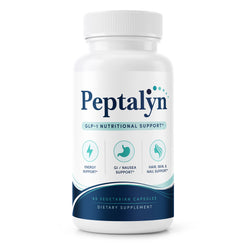
Purpose-built nutrition support can be useful when regular meals are consistently falling short. Free Life Labs created Peptalyn to support adults using GLP-1 medications with a complete formula designed for the nutritional challenges of reduced appetite. It is still wise to review any supplement with your prescribing clinician or pharmacist, particularly if you take multiple medications or have a chronic condition.
A better measure of progress
Weight change is only one signal. Pay attention to your energy, strength, hydration, bowel regularity, sleep, ability to walk and exercise, and how well you recover from normal activity. Those signals tell you whether your plan is supporting your whole body, not simply reducing a number on the scale.
The best GLP-1 nutrition plan is one you can repeat without feeling depleted. Keep meals small if needed, make protein and fluids your anchors, and ask for professional support before small nutrition gaps become a bigger barrier to feeling well and staying active.