GLP-1 Electrolyte Powder Review for Real Support
Share
A GLP-1 electrolyte powder review should start with the real reason people reach for one: drinking enough can become surprisingly difficult when nausea, early fullness, vomiting, or diarrhea enter the picture. A flavored packet may make water easier to tolerate, but not every electrolyte powder is the same - and hydration alone may not address the broader nutrition changes that can come with GLP-1 treatment.
For many adults taking medications such as semaglutide or tirzepatide, the goal is not simply to drink more. It is to maintain steady energy, protect everyday comfort, and give the body adequate nutritional support while appetite and food intake change.
What a GLP-1 Electrolyte Powder Can Do
Electrolytes are minerals that help regulate fluid balance, muscle function, and nerve signaling. The most common ones in drink powders are sodium, potassium, and magnesium. When you are losing fluids through vomiting, diarrhea, heavy sweating, or simply eating and drinking less than usual, replenishing fluids with electrolytes can be more useful than plain water alone.
A good powder can also solve a practical problem: plain water may feel unappealing when nausea is present. A lightly flavored drink, sipped slowly, can make it easier to stay consistent throughout the day. That matters because dehydration can contribute to headaches, dizziness, fatigue, constipation, and feeling generally run down.
Still, an electrolyte product is not a cure for persistent GLP-1 side effects. Severe or ongoing vomiting, diarrhea, weakness, fainting, confusion, or inability to keep liquids down calls for prompt guidance from your prescribing clinician. The same is true if you have kidney disease, heart failure, high blood pressure managed with fluid restrictions, or take medicines that affect potassium or fluid balance.
GLP-1 Electrolyte Powder Review: What to Check First
The front of a package may promise hydration, energy, or recovery. Turn it around and read the Supplement Facts panel. The right choice depends on your symptoms, your health history, and what the rest of your day looks like.
Look for meaningful electrolytes, not just marketing
Sodium is especially relevant when fluid losses are significant because it helps the body retain and use water. Potassium and magnesium support normal muscle and nerve function, but more is not always better. People with kidney concerns or those taking certain blood pressure medications should not add high-potassium products without asking a clinician.
The best formula is not necessarily the one with the longest ingredient list. Look for a clear disclosure of each mineral and its amount per serving. Proprietary blends that do not tell you how much sodium, potassium, or magnesium you are getting make it harder to judge whether the product fits your needs.
Consider sugar and sweetness honestly
Some sugar can help improve fluid absorption during substantial fluid loss, especially when a person has had repeated diarrhea or vomiting. But a high-sugar drink can be a poor fit for someone trying to manage blood sugar, reduce added sugar, or avoid a rapid calorie increase.
On the other hand, a zero-sugar powder can contain sugar alcohols or intense sweeteners that upset some stomachs. If you are already dealing with nausea, bloating, or loose stools, a very sweet drink may not be the most comfortable choice. Start with a half serving in plenty of water and pay attention to how you feel.
Watch for ingredients that can worsen GI symptoms
Magnesium can be helpful in the right amount, but certain forms and higher doses may loosen stools. Large amounts of vitamin C can do the same. Some powders also include caffeine, green tea extract, or so-called energy blends that may worsen jitters, reflux, sleep problems, or nausea.
For GLP-1 users, simpler is often better. Choose a product designed for hydration rather than a pre-workout-style formula dressed up as an electrolyte drink.
The Biggest Limitation: Electrolytes Are Not Complete Nutrition
This is where many GLP-1 electrolyte powder reviews fall short. They focus on taste and mineral content while overlooking the larger issue: reduced appetite can mean reduced intake of protein, vitamins, minerals, and other nutrients needed to maintain strength and support healthy body composition.
Electrolytes help with hydration. They do not replace a meal, provide meaningful protein, or supply the full nutritional foundation your body needs while losing weight. If you are regularly eating very little, feeling weak, or struggling to meet protein needs, an electrolyte packet should be viewed as one useful tool - not your entire plan.
Healing properly requires adequate nutrition. That principle applies whether you are recovering from surgery, protecting mobility as you age, managing a chronic health concern, or losing weight with medical support. Protein is particularly important for preserving muscle, which supports balance, independence, and the ability to stay active.
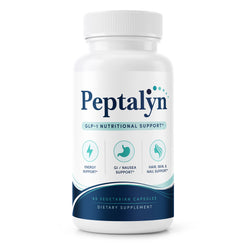
A purpose-built nutritional supplement may make more sense when your concern goes beyond hydration. Free Life Labs created Peptalyn for people taking GLP-1 medications who want broader nutritional support during weight loss, particularly when smaller portions make it harder to get enough from food alone.
When an Electrolyte Powder Is Most Useful
An electrolyte powder can be a sensible addition when you are having a hard time drinking plain water, are sweating more than usual, have mild short-term GI fluid losses, or notice headaches and low energy that improve when you hydrate consistently. It may also be useful on travel days, during hot weather, or when you are easing back into activity.
It is less likely to be the answer when fatigue is persistent, meals have become too small, constipation is ongoing, or you are losing strength. Those patterns deserve a closer look at total food intake, protein, fiber, fluids, medication dosing, sleep, and medical guidance.
There is also a difference between occasional support and all-day dependence. Using an electrolyte drink once daily can be reasonable for many people, depending on the formula and their health needs. Drinking several high-sodium servings every day without a reason may not be appropriate, particularly for anyone managing blood pressure or cardiovascular conditions.
How to Use It Without Overdoing It
Mix the powder according to the label rather than making a concentrated drink. Sip slowly, especially if nausea is present. Cold water, a straw, or smaller amounts taken more often may feel easier than finishing a large bottle at once.
Keep plain water in the routine, too. An electrolyte drink is a complement to regular hydration, not a replacement for every glass of water. Pair it with small, protein-forward meals or snacks when tolerated, such as eggs, Greek yogurt, cottage cheese, fish, chicken, tofu, or a clinician-approved protein shake.
If constipation is a concern, fluids matter, but so do gradual fiber intake, movement when possible, and discussions with your healthcare provider. Do not assume that adding more electrolyte powder will solve a problem caused by low food intake or medication side effects.
A Better Standard for Choosing Support
The most helpful GLP-1 electrolyte powder is one you can tolerate, use consistently, and fit safely into your health plan. It should have clearly labeled minerals, a sweetness level that does not aggravate your stomach, and no unnecessary stimulant blend. Most of all, it should support your routine without distracting from the bigger priorities: adequate food, protein, hydration, and communication with your prescribing clinician.
Weight loss should not come at the expense of feeling too depleted to enjoy your life. If drinking is difficult, start with small, steady sips and choose support that helps you feel more capable of caring for your body each day.