Gas From GLP-1: Why It Happens and What Helps
Share
That uncomfortable pressure after a few bites, the sudden need to loosen your waistband, the burping that seems to come from nowhere - gas from GLP-1 can make an otherwise successful weight-loss plan feel harder to stay with. It is common, often manageable, and worth bringing up with your prescriber rather than simply putting up with it.
GLP-1 medications can be effective tools for weight management and blood sugar control. But your digestive system may need time to adjust. Understanding why gas happens and making a few practical changes can help you eat more comfortably, protect your nutrition, and stay focused on the progress that matters to you.
Why GLP-1 medications can cause gas
GLP-1 receptor agonists work in part by slowing the speed at which food leaves your stomach. That slower movement helps many people feel full sooner and stay full longer. It can also leave food sitting in the digestive tract longer, which may contribute to bloating, burping, abdominal pressure, and passing gas.
The medication itself is not always the only factor. When appetite drops, eating patterns often change quickly. You may skip meals, eat one larger meal late in the day, rely on protein shakes, or suddenly add more vegetables, beans, and fiber than your body is used to handling. Each of those shifts can increase gas.
Constipation can add another layer of discomfort. Slower digestion, lower food intake, dehydration, and less movement can all make bowel movements less frequent. When stool moves slowly through the colon, gas has more time to build up. For some people, what feels like a gas problem is partly a constipation problem.
What gas from GLP-1 usually feels like
Gas symptoms are not identical for everyone. You may notice frequent burping after meals, a bloated or tight feeling in your upper or lower abdomen, rumbling, cramping, or more flatulence than usual. Symptoms may be most noticeable in the first few weeks of treatment or after a dose increase.
Mild digestive symptoms that come and go are often part of the adjustment period. Still, discomfort should not be dismissed if it is interfering with your ability to eat, drink, sleep, work, or move comfortably. Weight loss should support a fuller life, not leave you afraid to eat because every meal feels miserable.
Practical ways to reduce bloating and gas
The goal is not to force your body through symptoms. It is to make meals easier to digest while giving your system a chance to adapt. Small, consistent adjustments often work better than an extreme reset.
Eat smaller meals, more slowly
Large meals can be especially uncomfortable when stomach emptying has slowed. Try serving yourself a smaller portion and pausing before going back for more. Eat slowly, chew thoroughly, and stop when you first feel satisfied instead of waiting until you feel overly full.
This approach also reduces swallowed air, which can contribute to burping and bloating. Talking while eating, rushing meals, chewing gum, and drinking through straws can all increase the amount of air you take in.
Make carbonated drinks an early target
Sparkling water, soda, beer, and other carbonated drinks put gas directly into the digestive system. If bloating is a new issue, replacing carbonation with still water, herbal tea, or a noncarbonated electrolyte drink is a simple test. You do not have to give up every favorite food forever, but reducing obvious triggers while symptoms are active can bring faster relief.
Increase fiber gradually, not all at once
Fiber supports regularity and long-term digestive health, but a sudden jump can cause significant gas. This is especially true with beans, lentils, bran cereal, large salads, cruciferous vegetables, and some fiber powders.
Instead of dramatically increasing fiber overnight, add one change at a time and give your body several days to adjust. Pair fiber with enough fluids. Without adequate water, some fiber supplements can worsen constipation and fullness rather than helping.
Watch for personal food triggers
There is no single GLP-1 meal plan that works for everyone. High-fat meals are difficult for many people because they may sit heavily in the stomach. Fried foods, creamy sauces, large amounts of cheese, and rich restaurant meals are common troublemakers.
Some people also react to sugar alcohols found in sugar-free candy, protein bars, drink mixes, and gums. Ingredients such as sorbitol, xylitol, maltitol, and erythritol can cause gas or loose stools in sensitive people. A brief food-and-symptom note on your phone can help you spot patterns without becoming overly restrictive.
Support regular bowel movements
If you are having fewer bowel movements than usual, address that with your healthcare professional. Staying hydrated, eating regular small meals, gently increasing fiber as tolerated, and taking a short walk after eating may help keep digestion moving.
Light movement can be surprisingly useful for trapped gas, too. A 10- to 15-minute walk after a meal is often more comfortable than lying down immediately. If you have limited mobility, ask your care team about safe seated movement options.
Nutrition still matters when your appetite is low
A smaller appetite can make it difficult to take in enough protein, fluids, vitamins, and minerals. That matters because healing properly requires adequate nutrition. Muscle strength, energy, bone health, skin health, and recovery all depend on more than a lower number on the scale.
Start with protein-rich foods you tolerate well, then build from there. Eggs, yogurt, fish, poultry, tofu, cottage cheese, and simple soups may feel easier than a large, heavy meal. If protein shakes increase your gas, check whether they contain lactose, sugar alcohols, added inulin, or large amounts of fiber. A different formula or a smaller serving may be easier on your stomach.
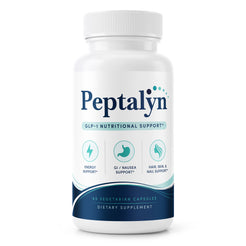
Some people taking GLP-1 medications benefit from nutrition-focused support designed for periods of reduced food intake. Free Life Labs created Peptalyn to support people using GLP-1 medications with nutrients that help address common nutritional concerns during weight loss. It is supportive care, not a replacement for a balanced diet or personalized medical guidance.
When to call your prescriber about GLP-1 gas
Call your prescribing clinician if gas, bloating, nausea, constipation, or diarrhea is persistent, worsening, or keeping you from eating and drinking enough. Your clinician may recommend a slower dose increase, a temporary adjustment, medication for constipation or nausea, or a closer look at another cause of your symptoms.
Seek urgent medical attention for severe or persistent abdominal pain, repeated vomiting, fever, a swollen or rigid abdomen, black or bloody stools, fainting, signs of dehydration, or an inability to keep liquids down. These symptoms are not something to manage with meal changes alone.
It is also wise to speak up sooner if you have a history of gastroparesis, bowel obstruction, gallbladder disease, pancreatitis, significant kidney problems, or recent abdominal surgery. The right plan depends on your personal health history and the specific GLP-1 medication you take.
Give your body time, but do not suffer in silence
For many people, gas from GLP-1 improves as the body adapts, especially when meals become smaller, slower, and easier to digest. But adjustment does not mean you have to accept constant discomfort or let low appetite leave you undernourished.
Pay attention to what your body is telling you, make one practical change at a time, and keep your prescriber involved. The best weight-loss plan is one that helps you feel lighter while still giving you the energy, comfort, and confidence to enjoy your daily life.