Constipation From GLP-1: What Helps and When to Call
Share
Constipation from GLP-1 medication can turn a promising weight-loss plan into a daily source of discomfort. You may feel bloated, full after only a few bites, or frustrated that bowel movements have become hard, infrequent, or painful. The good news is that this side effect is common, manageable for many people, and worth addressing early so you can stay comfortable and keep moving toward your health goals.
GLP-1 medicines can be powerful tools for weight management and blood sugar support. But feeling better at a lower number on the scale should not mean accepting ongoing digestive distress. A few targeted changes, along with guidance from your prescribing clinician, can make a meaningful difference.
Why GLP-1 Medications Can Cause Constipation
GLP-1 medications, including semaglutide and tirzepatide, work partly by slowing how quickly food leaves the stomach. This delayed digestion helps you feel full longer and may reduce appetite. For some people, however, the slower pace can extend through the digestive tract and lead to constipation.
Eating less can contribute, too. When food intake drops quickly, you may get less fiber, less fluid, and less dietary fat than your body is used to. Nausea can make plain water and nutrient-rich meals less appealing. Add less physical activity, certain supplements, or medications such as iron, opioid pain medicines, or some antacids, and bowel habits may slow further.
Constipation does not always look the same. Some people go fewer than three times a week. Others still have daily bowel movements but strain, pass hard stools, feel incomplete afterward, or need much more time in the bathroom. If the change started after beginning a GLP-1 medication or increasing the dose, it deserves attention.
First Steps for Constipation From GLP-1
The goal is not to force your digestive system into action overnight. It is to support regularity without worsening nausea, cramping, or poor intake. Small, consistent steps usually work better than an aggressive fix.
Start with fluids, but sip strategically
Adequate fluid helps keep stool softer and easier to pass. If large glasses of water make you feel overly full or nauseated, take small sips throughout the day instead. Keep a bottle within reach, drink between meals rather than chugging with meals, and try cold water, warm tea, broth, or a low-sugar electrolyte drink if plain water is unappealing.
Your fluid needs depend on your body size, activity, medical conditions, and medications. People with heart failure, kidney disease, or a fluid restriction should follow their clinician’s personal guidance rather than increasing fluids on their own.
Add fiber slowly, not all at once
Fiber can support healthy bowel movements, but suddenly adding a large amount while digestion is already slow can increase gas, fullness, and bloating. Begin with modest portions and give your body several days to adjust.
Foods such as berries, kiwi, prunes, oats, beans, lentils, vegetables, chia seeds, and whole grains can help. If full meals feel difficult, a small serving of fruit or oatmeal may be more realistic than a large high-fiber plate. A fiber supplement may also be appropriate for some people, but it works best when paired with enough fluid and should be introduced gradually.
If you are barely able to eat, are vomiting, or have significant abdominal swelling, do not simply add more fiber. Contact your clinician for advice first.
Keep nutrition from becoming an afterthought
Reduced appetite is expected with GLP-1 treatment, but under-eating can leave you tired, weak, and more prone to constipation. Healing properly requires adequate nutrition, including protein, vitamins, minerals, and fluids.
Aim for smaller meals that provide real nourishment: eggs with fruit, yogurt with berries, a protein smoothie, soup with beans or chicken, or fish with cooked vegetables. Cooked vegetables may be easier to tolerate than large raw salads when nausea or fullness is an issue. Including some healthy fat, such as avocado, olive oil, nuts, or nut butter, can also help meals feel satisfying without requiring a large portion.
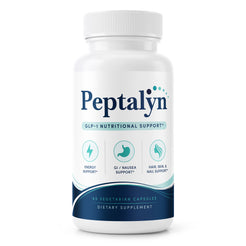
A complete nutritional supplement designed for people taking GLP-1 medications, such as Peptalyn from Free Life Labs, may help fill common nutritional gaps when appetite is low. It is supportive care, not a replacement for meals, fluids, or medical advice.
Build gentle movement into the day
Movement stimulates the natural contractions of the digestive tract. You do not need a hard workout to see a benefit. A 10- to 15-minute walk after meals, gentle stretching, or several short walks across the day can be enough to encourage regularity while supporting energy and mobility.
If foot pain, neuropathy symptoms, recent surgery, or limited mobility make walking difficult, choose the movement that is safe for you. Chair exercises and brief trips around the home still count.
Create a bathroom routine
Your colon is often most active after eating, especially after breakfast. Give yourself unhurried time to use the bathroom after a meal, rather than ignoring the urge because you are busy or away from home. A small footstool can also help by placing your body in a more natural position for passing stool.
Try not to strain. Repeated straining can worsen hemorrhoids, pelvic floor problems, and discomfort. If you are consistently pushing hard without results, it is time to speak with your healthcare professional.
Should You Take a Laxative?
Sometimes lifestyle changes are not enough, especially during a dose increase or when constipation has persisted for several days. Your prescriber, pharmacist, or primary care clinician can recommend an option based on your health history and other medications.
Many clinicians use an osmotic laxative, which draws water into the bowel, as a short-term option for uncomplicated constipation. A stool softener, fiber product, or stimulant laxative may be appropriate in certain situations. The best choice depends on your symptoms, fluid intake, kidney function, and whether you have other digestive conditions.
Do not make frequent laxative use your only plan. Taking more than recommended can lead to diarrhea, dehydration, electrolyte changes, and a difficult cycle of urgent bowel symptoms. Avoid enemas, harsh cleanses, or combining multiple products unless a clinician tells you to do so.
When to Contact Your GLP-1 Prescriber
Call your prescribing clinician if constipation lasts more than a few days despite reasonable self-care, keeps returning, or interferes with eating, drinking, sleep, work, or daily movement. They may suggest a bowel regimen, review your other medications, adjust the timing of a dose increase, or check whether another issue is involved.
Do not stop or change your GLP-1 medication dose without speaking to the clinician who prescribed it. The right plan may be as simple as slowing a dose increase, improving nutrition and hydration, or using a temporary medication for constipation.
Symptoms that need prompt medical attention
Seek urgent medical care for severe or worsening abdominal pain, a swollen or rigid abdomen, repeated vomiting, fever, inability to pass stool or gas, black or bloody stool, fainting, or signs of dehydration such as confusion, very dark urine, or extreme weakness. These symptoms can point to a problem beyond routine constipation.
People with a history of bowel obstruction, inflammatory bowel disease, significant digestive disorders, or prior gastrointestinal surgery should be especially careful and discuss new symptoms early.
A More Comfortable Path Forward
Constipation is not a personal failure and it does not mean GLP-1 treatment cannot work for you. It is your body signaling that it needs a little more support as your appetite, eating pattern, and digestion change. Start early with fluids, gradual fiber, adequate nutrition, gentle movement, and a conversation with your clinician when symptoms do not improve.
The best GLP-1 plan is one you can sustain comfortably. Supporting your digestive health helps protect your energy, confidence, and freedom to keep showing up for the life you want to live.