Bone Health GLP-1 Support During Weight Loss
Share
Losing weight can make stairs easier, reduce joint strain, and help you feel more in control of your health. But bone health GLP-1 support deserves a place in the plan from the start. When appetite drops sharply, it becomes easier to miss the protein, calcium, vitamin D, and overall nutrition your muscles and bones need to keep supporting an active life.
This is not a reason to avoid GLP-1 medication when it is appropriate for you. It is a reason to treat weight loss as more than a number on the scale. Protecting strength, balance, and mobility helps ensure the benefits of weight loss carry into everyday life.
Why GLP-1 Weight Loss Can Affect Bone Health
GLP-1 medications help many people lose substantial weight by reducing appetite, slowing stomach emptying, and improving blood sugar control. For people who have struggled with obesity, insulin resistance, or type 2 diabetes, that progress can be meaningful. Yet rapid weight loss changes what your body is carrying and how it is fueled.
Bones respond to mechanical load. When body weight decreases, bones may receive less of the regular loading that helps maintain their density. Weight loss can also include lean muscle loss, particularly when calorie intake is very low or protein intake falls short. Less muscle can mean less support around the hips, knees, and spine, along with a greater risk of falls.
The research on whether GLP-1 medicines themselves directly harm bone is still developing and is not one-size-fits-all. Some studies have not shown a clear increase in fracture risk, while weight loss in general has been associated with reductions in bone mineral density for some people. Your personal risk depends on the full picture: your age, sex, medical history, rate of weight loss, nutrition, activity, and medications.
For many adults, the larger concern is not the prescription alone. It is eating too little for too long, losing muscle, and becoming less active because of nausea, fatigue, or weakness.
Who Needs Closer Bone Health GLP-1 Monitoring?
Anyone using a GLP-1 medication can benefit from a nutrition and strength plan. Closer attention is especially worthwhile if you are over 50, postmenopausal, have had a fracture after a minor fall, have osteopenia or osteoporosis, or are losing weight quickly.
Other reasons to speak with your clinician sooner include long-term steroid use, a history of bariatric surgery, low vitamin D, kidney disease, thyroid or parathyroid conditions, frequent dizziness, or poor food intake due to nausea or vomiting. People managing diabetes should also remember that numbness in the feet and reduced sensation can increase fall risk, even when bone density is otherwise stable.
A bone density scan, often called a DEXA scan, may be appropriate based on your age and risk factors. Your clinician can also determine whether blood work, medication changes, or a referral to a dietitian or physical therapist would be useful. This is individualized care, not a test every person needs automatically.
Protect Muscle So Your Bones Have Better Support
Muscle and bone work as a team. Stronger muscles pull on bones during movement, which encourages the body to maintain skeletal strength. They also help you react when you trip, rise from a chair, carry groceries, and stay steady on uneven ground.
Resistance training is one of the most practical tools available. Two or three sessions each week can make a real difference, but the right approach depends on your current mobility and joint health. Bodyweight sit-to-stands, wall push-ups, resistance bands, light dumbbells, and supervised strength machines are all valid starting points. If you already have osteoporosis, significant pain, balance problems, or a prior fracture, ask a physical therapist or qualified clinician to help tailor the movements.
Walking is excellent for heart health, mood, and daily function. It also provides some weight-bearing activity for bones. But walking alone may not fully preserve muscle during major weight loss. Pairing it with strength work is usually the more complete plan.
Avoid the all-or-nothing mindset. A 15-minute strength session done consistently is more protective than an ambitious routine that causes pain or is abandoned after a week. Progress gradually, especially if reduced calories have left you tired.
Nutrition Matters When Appetite Is Low
A smaller appetite can be helpful for weight loss, but it can make eating adequately feel like a task. The goal is not to force huge meals. It is to make the food you do eat count.
Protein should be a priority at meals and snacks because it supports muscle maintenance and recovery. Your ideal amount varies with body size, kidney function, activity level, age, and medical conditions, so ask your prescribing clinician or dietitian for a personal target. In practical terms, begin with protein first when you sit down to eat. Eggs, Greek yogurt, cottage cheese, fish, poultry, tofu, beans, and protein shakes can be easier to manage than large, heavy meals.
Calcium and vitamin D also matter for bone maintenance. Dairy foods, fortified plant milks, canned salmon or sardines with bones, tofu made with calcium, and certain greens can contribute calcium. Vitamin D may come from fortified foods, sunlight exposure, and supplements when needed. Do not assume a multivitamin supplies enough of either nutrient for your situation, and do not add high-dose supplements without discussing them with your clinician.
Hydration deserves attention too. Dehydration can worsen fatigue, constipation, dizziness, and weakness, all of which can make activity harder. If nausea is a barrier, smaller meals, bland protein-rich options, and regular sips of fluid may be easier than trying to catch up later in the day.
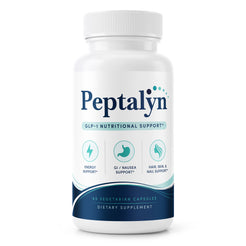
A purpose-built nutritional supplement for GLP-1 users, such as Peptalyn from Free Life Labs, may be a practical way to support nutritional consistency when reduced appetite makes a full eating routine difficult. It should complement real food and individualized medical guidance, not replace either one.
Watch for Signs That Your Plan Needs Adjustment
Weight loss is not always a straight line, and neither is recovery from side effects. Contact your prescribing clinician if you are regularly unable to eat enough, vomiting, feeling faint, or losing strength and energy rather than gaining function.
These four changes also deserve prompt attention: a new fracture after a low-impact fall, persistent bone or back pain, a noticeable decline in balance, or unintentional rapid weight loss. A sudden loss of independence, such as difficulty climbing steps you previously handled, is another meaningful signal.
Falls deserve prevention, not embarrassment. Wear supportive shoes, keep pathways well lit, remove loose rugs, use handrails, and have changes in vision, dizziness, or foot numbness evaluated. For people with diabetic nerve discomfort or reduced feeling in the feet, routine foot checks and appropriate skin care can support safer movement as well.
Set a Goal Beyond the Scale
The most useful GLP-1 plan is one that helps you lose weight while preserving what lets you enjoy the result: strength to get up from the floor, balance to walk with confidence, and energy to keep doing the things that make life feel like yours.
At your next appointment, bring up bone health, your eating pattern, and how your body feels during activity. A few targeted adjustments now can help protect your mobility for the weight-loss journey ahead and the years after it.