Best Nutrients During GLP-1 Therapy for Energy
Share
A smaller appetite can feel like progress when you start a GLP-1 medication. But when a few bites of food leave you full, getting enough nutrition can become unexpectedly difficult. The best nutrients during GLP-1 therapy are not about eating more than you can tolerate. They are about making the food you do eat work harder for your energy, muscle strength, digestion, and long-term health.
GLP-1 medications can be highly effective tools for weight management when prescribed and monitored appropriately. They also commonly change how much, how often, and sometimes what you want to eat. Nausea, constipation, fatigue, food aversions, and low fluid intake can make it easy to fall short on essential nutrients. A practical nutrition plan helps protect the strength and comfort you need to keep living your life.
Why nutrition matters more when appetite is low
Weight loss is not automatically the same as fat loss. When calorie intake drops quickly, the body can lose muscle along with body fat. That matters at every age, but especially for adults over 50, people recovering from surgery, and anyone who already has mobility concerns or low activity levels. Muscle supports balance, stability, independence, and metabolic health.
Low intake can also affect hydration, bowel regularity, bone health, and everyday energy. You may not notice a shortfall immediately. Over time, though, consistently skipping protein-rich foods or relying on a few easy-to-tolerate foods can leave gaps in vitamins and minerals.
The goal is not perfection at every meal. It is steady, realistic nutrition that fits your appetite and your prescriber's plan.
The best nutrients during GLP-1 therapy
Protein: the first priority for protecting muscle
Protein is usually the most important nutrient to plan around during GLP-1 treatment. Your body needs it to maintain muscle, support immune function, and repair tissue. If you are eating less overall, protein needs to take a more intentional place on your plate.
Many adults do better when they spread protein across the day rather than trying to eat one large serving at dinner. A protein-forward breakfast, a simple lunch, and a smaller dinner may be easier to manage than a single heavy meal. The right amount depends on your body size, age, kidney function, activity level, and medical history, so your clinician or registered dietitian can set a personal target.
Start with foods you tolerate well: eggs, Greek yogurt, cottage cheese, fish, chicken, turkey, tofu, beans, or a low-sugar protein shake. If nausea is an issue, cool foods and smaller portions may go down more easily than rich, hot, or greasy meals. Protein shakes can be useful on low-appetite days, but they should support a food-first routine when possible.
Fluids and electrolytes: support energy and regularity
It is surprisingly easy to drink less on a GLP-1 medication. You may feel full sooner, forget to sip throughout the day, or avoid beverages when nausea flares. Dehydration can contribute to headache, dizziness, fatigue, dry mouth, and constipation.
Keep a drink within reach and take small, frequent sips rather than forcing down a large glass at once. Water is an excellent foundation. Broth, unsweetened tea, and water-rich foods such as soups, melon, and cucumbers can also help. If vomiting, diarrhea, sweating, or poor intake has been an issue, ask your healthcare provider whether an electrolyte beverage is appropriate for you.
People with heart failure, kidney disease, high blood pressure, or fluid restrictions should follow their clinician's guidance on fluid and electrolyte intake. More is not always better when a medical condition is involved.
Fiber: helpful, but only when introduced gently
Constipation is one of the most common frustrations during GLP-1 therapy. Fiber can help support regular bowel movements, healthy gut bacteria, and steadier blood sugar. But adding a large amount of fiber too quickly can increase bloating, cramping, or fullness - the very symptoms you may already be trying to manage.
Aim for gradual changes. Add berries to yogurt, choose oatmeal, include beans or lentils in modest portions, and eat cooked vegetables if raw vegetables feel too filling. Pair fiber with adequate fluids. Without enough liquid, extra fiber may worsen constipation.
If bowel movements become infrequent, painful, or persistently difficult, do not simply keep adding fiber. Talk with your prescribing clinician. Severe abdominal pain, repeated vomiting, or an inability to keep fluids down needs prompt medical attention.
Calcium and vitamin D: protect bone health
Losing weight can change more than clothing size. For some people, rapid weight loss may also affect bone density, particularly if calcium, vitamin D, protein, and resistance exercise are neglected. This is especially relevant for postmenopausal women, older adults, and people with a history of osteopenia or osteoporosis.
Calcium-rich options include dairy foods, fortified plant milks, canned salmon with bones, tofu made with calcium, and certain leafy greens. Vitamin D is found in fewer foods, so some people need a supplement based on lab results, lifestyle, and medical guidance. Your clinician can help determine whether supplementation is necessary and how much is appropriate.
Vitamin B12, iron, and folate: look for causes of low energy
Fatigue is not always a normal part of medication adjustment. Eating less meat, fish, eggs, fortified grains, legumes, and leafy greens can reduce intake of nutrients that help make healthy red blood cells and support normal nerve function.
Vitamin B12, iron, and folate deserve attention when tiredness, weakness, shortness of breath, pale skin, or unusual tingling develops. These symptoms can have many causes, including medication effects, sleep changes, low calorie intake, or another medical condition. A blood test is more useful than guessing, particularly before taking high-dose iron. Iron can cause stomach upset and constipation, which may be counterproductive for someone already managing GLP-1 side effects.
Potassium and magnesium: small minerals with big daily roles
Potassium and magnesium support normal muscle and nerve function, fluid balance, and energy production. Poor intake, vomiting, diarrhea, and a limited diet can all affect these minerals. Foods such as bananas, potatoes, beans, yogurt, avocado, nuts, seeds, and leafy greens can help, depending on your dietary needs.
Do not add potassium supplements without medical guidance. They can be unsafe for people with kidney disease or those taking certain blood pressure or heart medications. Magnesium supplements may also cause diarrhea, so food sources are often a gentler first step.
Make small meals count
The simplest strategy is to build each eating opportunity around protein first, then add a colorful plant food, a source of fiber or healthy fat, and fluids. You do not need a perfect plate at every meal. A half sandwich with turkey, a yogurt with fruit, or scrambled eggs with toast can be more useful than skipping a meal because a full portion feels overwhelming.
It can also help to separate eating and drinking if fluids make you uncomfortably full. Some people feel better sipping more between meals instead of drinking a large beverage with food. High-fat fried foods, very large meals, and heavily sugary foods may worsen nausea for some people, though tolerance varies.
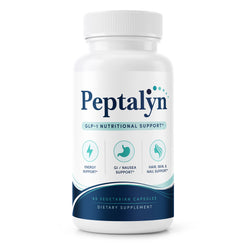
A targeted nutritional supplement may be a practical option when your appetite is inconsistent and regular meals are hard to maintain. Free Life Labs created Peptalyn as nutritional support for adults taking GLP-1 medications, with a complete formula designed to help address common nutritional gaps. It should complement, not replace, nutritious food and individualized medical care.
When to ask for more support
Contact your prescriber if you cannot keep fluids down, have repeated vomiting, feel faint, develop severe or ongoing abdominal pain, or experience constipation that does not improve. Also speak up if weight loss is happening faster than expected, fatigue is interfering with daily life, or you are struggling to meet even basic food and fluid needs.
A registered dietitian can be especially helpful if you have diabetes, kidney disease, a history of bariatric surgery, digestive conditions, or concerns about muscle loss. They can turn broad advice into a plan that works with the foods you enjoy and the symptoms you are actually experiencing.
Your GLP-1 treatment should support more freedom in daily life, not leave you too depleted to enjoy it. Prioritizing protein, fluids, fiber, and key vitamins and minerals can help you protect the strength, comfort, and confidence that make healthy progress worth keeping.