What is Metabolic Stress in Surgery?
Surgery is, at its core, a controlled injury. While it’s performed with precision and healing in mind, the body interprets it as trauma. In response, it launches a powerful stress reaction that dramatically alters metabolism. Understanding this process—called metabolic stress—is key to improving recovery and reducing complications.
The Body’s Stress Response to Surgery
1. Hormonal Surge
Stress hormones like cortisol, adrenaline, and glucagon spike after surgery.
- These hormones raise blood sugar and energy demands, but this comes at a cost: muscle tissue is broken down for fuel.
2. Catabolism (Breakdown Mode)
The body shifts into catabolism, breaking down muscle protein to release amino acids.
- These amino acids aren’t used to protect muscle mass; instead, they are redirected toward immune defense, wound repair, and tissue rebuilding.
3. Inflammatory Cascade
Surgery activates the immune system, releasing cytokines (inflammatory messengers).
- This response is vital for healing, but it increases the need of key antioxidants like vitamin C, zinc, and selenium. If reserves are low, the body’s defenses weaken.
4. Hypermetabolic State
After elective surgery, energy demands typically increase by 0–15% in healthy adults. However, in individuals with chronic illnesses (such as diabetes and renal or liver disease), advanced age, or postoperative complications, this increase can be more pronounced, potentially approaching 20–40%.
- Protein, vitamins, and minerals are consumed at an accelerated rate to fuel collagen production, wound healing, and immune defense.
Why This Matters
- Muscle wasting: Without nutritional support, patients lose lean body mass.
- Weakened immunity: Nutrient deficiencies increase infection risk.
- Delayed healing: Low levels of amino acids, vitamins (C, A, D), and minerals (zinc, copper, selenium) slows tissue repair.
- Higher complication risk: Poor nutrition is linked to wound breakdown, longer hospital stays, and more reoperations
Why Supplement Before & After Surgery
Pre-Surgery (Build Reserves)
- Going into surgery “nutritionally strong” provides a buffer against stress.
- Patients with good protein, vitamin, and mineral levels heal faster and fight infection better.
Post-Surgery (Accelerate Healing)
- Supplements replenish what is rapidly depleted.
- Extra nutrients support collagen formation, angiogenesis (new blood vessels), and immune function.
- Antioxidants help control inflammation and oxidative stress, reducing scarring and complications.
Bottom Line
Surgery places the body in catabolic overdrive—breaking down protein and increases demand for nutrients. By supplementing with targeted amino acids, vitamins, and minerals before and after surgery, patients provide their bodies with the raw materials needed to aid in faster tissue repair, strengthening immunity, reducing complications, and shortening recovery time. Metabolic stress is inevitable—but its impact can be managed. Nutrition is one of the most powerful tools for recovery.

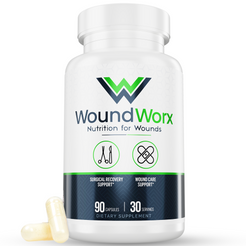
WoundWorx Supplement helps support the body both before and after surgery with the right combination of vitamins to help fuel healing.