How Vitamin E Helps Your Body Heal
Vitamin E is one of the most well-known vitamins when it comes to skin health and healing. It is a fat-soluble nutrient with powerful antioxidant properties, making it a key ingredient in many dietary supplements and topical products. But what exactly is Vitamin E, where does it come from, and why is it often included in wound healing formulas?
What Is Vitamin E?
Vitamin E is a group of eight compounds, with alpha-tocopherol being the most biologically active form in the human body. As a fat-soluble vitamin, it is stored in the body’s fatty tissues and liver for later use. Its main role is as an antioxidant—protecting cells from damage caused by free radicals, which are unstable molecules produced by metabolism, environmental toxins, and stress.
Where Does Vitamin E Come From?
Vitamin E naturally occurs in a wide range of foods. Common sources include:
- Nuts and seeds – almonds, sunflower seeds, and hazelnuts
- Plant oils – sunflower oil, safflower oil, wheat germ oil
- Leafy greens – spinach, kale, and Swiss chard
- Fortified foods – breakfast cereals and some spreads
These natural sources make it relatively easy to include Vitamin E in a healthy diet. However, supplementation may provide additional support to help maintain adequate Vitamin E levels during times of increased nutritional demand; such as after surgery.
The Purpose and Uses of Vitamin E
Vitamin E is widely used for:
- Skin protection and repair – helping defend skin from oxidative stress and supporting hydration
- Immune system support – helping the body fight infection
- Cardiovascular wellness – preventing oxidation of cholesterol and supporting circulation
- Anti-inflammatory benefits – helping calm irritated or damaged tissues
How Vitamin E Supports Wound Healing
When it comes to wound healing, Vitamin E plays several key roles:
-
Protects Cells from Damage
During wound repair, cells are under stress from inflammation and free radicals. Vitamin E helps protect skin cells and connective tissue from oxidative damage. -
Supports Collagen Production
Collagen is essential for wound closure and scar formation. Vitamin E helps stabilize cell membranes and supports tissue regeneration, contributing to stronger, healthier healing. -
Reduces Scarring
Although research is mixed, Vitamin E is often associated with reduced scar formation when used in wound care. Its ability to keep skin hydrated and pliable can support better cosmetic healing. -
Enhances Immune Defense
A strong immune system is critical during wound healing. Vitamin E boosts immune response, helping lower the risk of infection at the wound site.
Why Include Vitamin E in a Wound Healing Supplement?
Including Vitamin E in a wound healing supplement ensures the body has an optimal supply of this protective nutrient during recovery. While diet may provide some Vitamin E, the increased demand during healing makes supplementation highly beneficial. It works best when combined with other essential vitamins and minerals such as Vitamin C, zinc, and collagen-boosting nutrients.
Vitamin E is more than just a skincare vitamin. It is a powerful antioxidant that supports wound repair, reduces tissue damage, and helps create a favorable environment for faster, stronger healing.

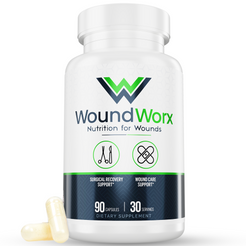
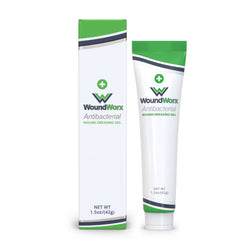
WoundWorx includes 15 mg of Vitamin E in the form of d-alpha-tocopherol succinate to aid healing and lessen scare tissue.