Folate, L-Methylfolate, and the Genetic Link to Wound Healing
Folate, also known as vitamin B9, is an essential nutrient that fuels growth, repair, and regeneration throughout the body. It is especially critical during times of healing, when your body is working overtime to rebuild damaged tissue. But not everyone absorbs and uses folate the same way—and for some, genetics can make it much harder.
That’s where L-Methylfolate, the active form of folate, makes a real difference.
What is Folate?
Folate is a water-soluble vitamin found naturally in leafy greens, legumes, eggs, and citrus fruits. It supports:
- DNA synthesis and repair
- Red blood cell formation
- Cell growth and turnover
Many supplements and fortified foods use folic acid, a synthetic form of folate. However, folic acid and food folates must be converted inside the body into L-Methylfolate (5-MTHF) before they can be used.
The Role of L-Methylfolate
L-Methylfolate is the biologically active form of folate—the form your cells recognize and use immediately. It plays a key role in:
- Methylation, a process that regulates gene expression and detoxification
- Neurotransmitter production, affecting mood and cognition
- Homocysteine regulation, supporting heart and vascular health
- Tissue repair and regeneration, critical for wound healing
By supplying the body with folate in its active form, L-Methylfolate bypasses the need for complex conversions and ensures cells get what they need to function properly.
The MTHFR Gene Connection
The gene most involved in folate metabolism is MTHFR (methylenetetrahydrofolate reductase). Variants in this gene—commonly C677T or A1298C—can reduce the efficiency of folate conversion by as much as 40–70%.
For people with these genetic variants, consuming folic acid may not provide enough usable folate. This can contribute to elevated homocysteine levels, poor methylation, mood imbalances, and delayed healing.
Supplementing directly with L-Methylfolate helps bypass this genetic bottleneck, providing the body with the active form of folate it can use right away.
Folate and Wound Healing
During wound recovery, your body relies on folate for several essential processes:
- Collagen Formation – Folate supports DNA synthesis in fibroblasts, the cells that produce collagen, which is the protein framework for new skin.
- Cell Growth & Division – New skin and blood vessel cells require folate to divide and multiply effectively.
- Red Blood Cell Production – Adequate folate ensures oxygen-rich blood reaches the wound site to fuel healing.
- Reduced Homocysteine – Elevated homocysteine can impair circulation and slow repair; L-Methylfolate helps regulate it.
In short, folate—and especially L-Methylfolate for those with MTHFR gene variants—helps wounds close faster, form stronger tissue, and resist infection.
Food Sources vs. Supplementation
Folate-rich foods include:
- Leafy greens (spinach, kale, romaine)
- Lentils, chickpeas, and beans
- Avocados and asparagus
- Eggs and citrus fruits
For people with MTHFR gene variations—or those with high healing demands—supplementation with L-Methylfolate ensures that the body receives folate in its most usable form.
Key Takeaway
Folate is essential for growth, repair, and wound recovery—but your body’s ability to use it may depend on your genetics. Variants in the MTHFR gene can make it difficult to convert folic acid and food folates into the active form, L-Methylfolate.
By supplementing with L-Methylfolate, you give your body direct access to the nutrient it needs to fuel cell growth, collagen production, and faster wound healing—supporting both everyday wellness and recovery when you need it most.

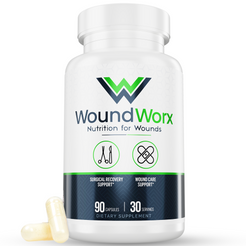
WoundWorx takes the gene variant into consideration by supplementing with 850 mcg of L-Methylfolate; the necessary level to support optimal healing.